

South Falls at Silver Falls State Park: An Oregon Waterfall Day Trip
A South Falls-focused day visit to Silver Falls State Park during our Allegiant-supported Oregon trip, with walk-behind waterfall views and practical planning notes.
Read the story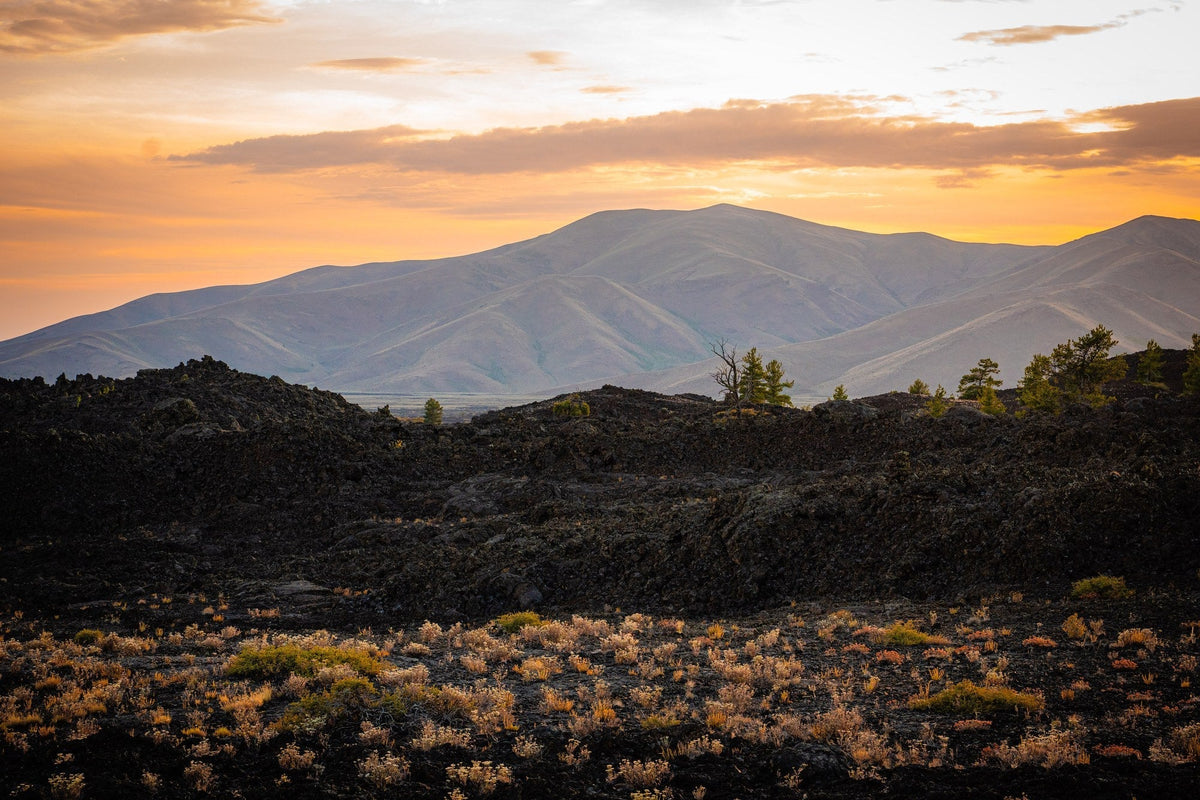

We drove the Loop Road, explored around Spatter Cones and found ourselves standing in complete quiet. For a little while, it really did feel like the moon.
By the time we reached Craters of the Moon National Monument, we had already had a long day of driving and visiting Idaho's Mammoth Cave. We had about an hour and a half here before leaving around sunset, but it ended up being such a memorable stop with the kids.
We drove the whole Loop Road, spent most of our time at Spatter Cones and walked part of North Crater Trail. We also stopped at the Inferno Cone trailhead, but did not hike to the summit. We had originally thought about visiting the caves, too, and ended up leaving those for another time.
The National Park Service's places-to-go guide shows which stops are reached from the visitor road and which involve longer hikes. We used our short visit for a drive and a few walks.
Check road access before planning the drive. If you arrive late, choose walks you can finish with enough daylight for the return.
The kids loved walking up at Spatter Cones and looking down inside from behind the fence. We explored the Spatter Cone and Snow Cone stops, and that was where we spent most of our time out of the car.
What surprised me most was the silence. Nobody else was in the parking lot or out there with us at that point. People say a place feels like the moon, but standing there, it really did. We had this whole strange landscape to ourselves for a little while, and it was a very surreal moment. I would not expect that quiet on every visit, but it made ours special.
Stay on designated paths. Off-trail travel is not permitted in the Spatter Cones and Big Craters areas. The NPS trail guidance explains the routes and restrictions.

We walked a short stretch uphill toward the larger craters, then turned back. This was only part of North Crater Trail, not the full hike. NPS rates the full route strenuous, so check the trail description before deciding how much to take on.
Allow for the return walk and the daylight you have left, especially on a late arrival like ours.
Craters of the Moon has a real connection to NASA, beyond its name. In August 1969, four Apollo astronauts came here to study volcanic geology and practice recognizing useful rock samples. They needed those skills for collecting material on future lunar missions. The park’s astronaut-training history explains why this part of Idaho became a field classroom.
That history gives families another way into the visit, especially if someone is interested in space. The volcanic features are not simply unusual scenery; they helped researchers and astronauts learn how to study other worlds.
Use the visitor road to choose a few stops rather than treating every trailhead as part of the same outing. Our ninety minutes allowed a visit to Spatter Cones and only part of North Crater Trail. If the visitor center is important to you, put it first and plan around its opening hours. We arrived too late for that part of the visit.
We finished the day with a stop at Pickle's Place after leaving the monument. Between the cave, the drive and those last walks at Craters of the Moon, it had been a full day.
We reached the visitor center after it closed. Pre-stamped papers were available outside for passport books that day, which was a thoughtful touch.
See the other places we visited in our Idaho trip overview.

A South Falls-focused day visit to Silver Falls State Park during our Allegiant-supported Oregon trip, with walk-behind waterfall views and practical planning notes.
Read the story
The cave opening and Oregon coastline.Our Oregon Coast stop included sea lions on the rocks, time inside the cave, coastal viewpoints and a few favorite...
Read the story
A photo-led look at Weavers Needle from Fremont Saddle, with a Peralta Trail hiking option, preparation advice, and practical desert photography tips.
Read the storySign up for new stories, photographs, and notes from the road.
Join the conversation