
Utah · Bryce Canyon · Vertical video
Bryce Canyon National Park, One View at a Time
A photo-led look at Bryce Canyon National Park, with viewpoints to explore, two hiking options, and practical tips for photographing the hoodoos.

Vertical video · Watch on Instagram
Along the Way
In this story.
A photo-led look at Bryce Canyon National Park, with viewpoints to explore, two hiking options, and practical tips for photographing the hoodoos.
This is an affiliate link. I may earn a commission if you purchase or book through it, at no additional cost to you.
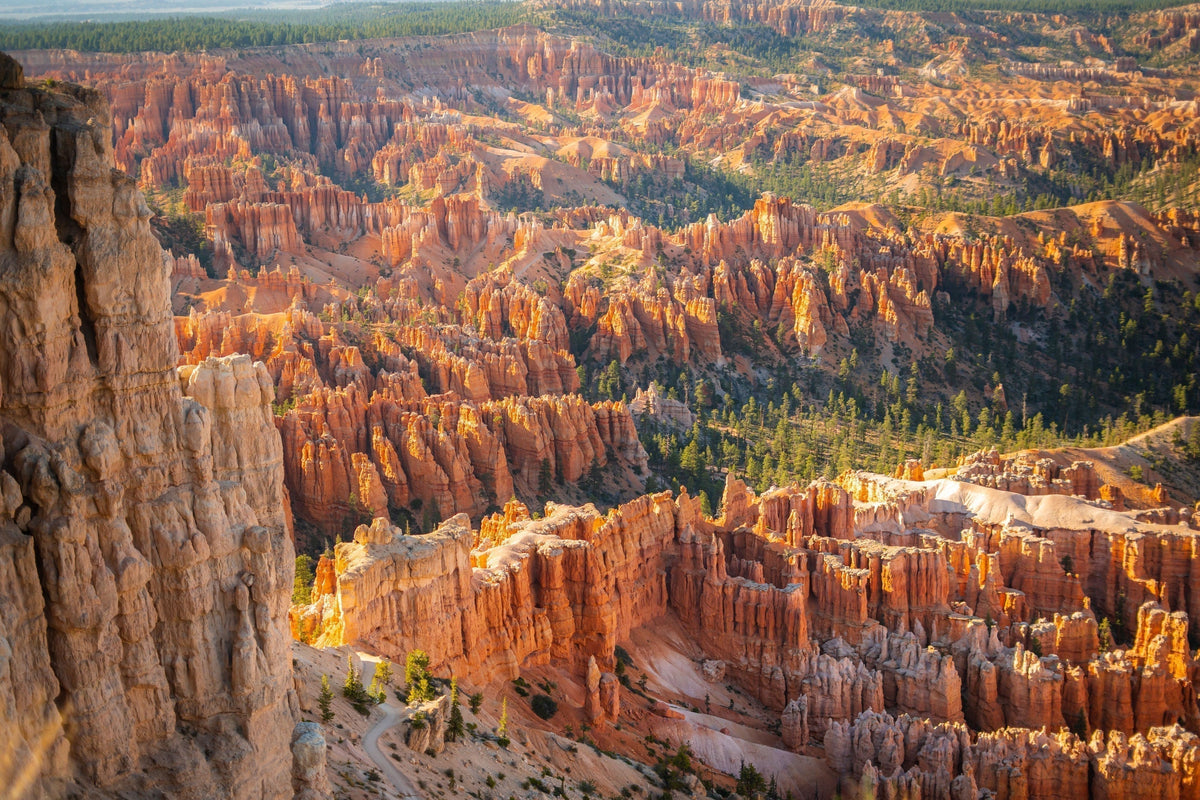
Bryce Canyon National Park is one of those places where the landscape gets your attention right away. If you are planning a visit, here is a starting point: viewpoints to explore, a short rim walk or a hike among the hoodoos, and a few photography tips alongside my photos and Reel.
The tall rock spires are called hoodoos, and Bryce Canyon has the largest concentration anywhere in the world. The photographs here show both the wide landscape and the formations up close. About Bryce Canyon National Park.
Where to start: Bryce Amphitheater viewpoints
For a first visit or a shorter stop, focus on the Bryce Amphitheater rather than trying to see the entire park. Its four main viewpoints are grouped near the beginning of the park road:
- Sunrise Point: A northern amphitheater view and access to the Queens Garden Trail.
- Sunset Point: A look across some of the park's best-known hoodoos, with access to the Navajo Loop.
- Inspiration Point: A higher perspective across dense rows of rock formations.
- Bryce Point: A broad view across the amphitheater from the south.
These are starting points for planning your own visit. Compare the official viewpoint descriptions when choosing your stops.

A short rim walk or a hike among the hoodoos
You do not need a long hike to see the formations. The paved Rim Trail between Sunrise and Sunset Points is 0.5 mile one way, or 1 mile out and back. It is an easy option if you want changing views without descending into the amphitheater. NPS hiking information.
For a moderate hike below the rim, consider the Queens Garden and Navajo Combination Loop. NPS lists it as 2.9 miles, usually taking 2 to 3 hours, and recommends hiking clockwise: down Queens Garden and back up Navajo. Review the official loop guide and current closures before choosing it.
Remember that a descent means an uphill return. Pick the option that fits your time, energy, and the conditions that day.

Bryce Canyon photography tips
Plan around the light, not just the viewpoint names. Most overlooks face east, so sunrise can light the hoodoos directly. NPS identifies Sunrise Point and Bryce Point as popular sunrise options. At sunset, the sun is generally behind you rather than setting over the amphitheater; Sunset Point's name does not guarantee a sunset-in-the-background photograph. NPS sunrise and sunset advice.
For the photographs themselves, try a few different approaches:
- Start wide, then look closer. Make one frame that shows the scale, then isolate a smaller group of hoodoos or the color in the rock layers.
- Use the shadows. Bright rock beside shaded canyon walls creates strong contrast. Check your exposure so the sunlit formations retain detail.
- Include a sense of scale. A person on a designated trail or at a safe overlook can show how large the formations are. Keep clear of edges and do not leave trails for a composition.
My Reel gives you a quick look at the setting. The photographs are a chance to pause and notice the details.

Before you go
Bryce Canyon is a high-elevation park, and weather can change quickly. Bring layers, water, and suitable hiking footwear, even if the day starts clear. Stay on designated trails, keep back from cliff edges, and seek shelter in a building or vehicle if you hear thunder. NPS safety guidance.
Check current park conditions and trail closures before setting out. This post is a starting point for choosing what interests you, not a promise that every route is open.
A Cedar City stay option
If Cedar City is part of your Southern Utah trip, you can check availability at Best Western Plus Cedar City using my link below. This is a Cedar City hotel option, not a stay inside Bryce Canyon National Park, so allow for the drive when planning your visit.
This is an affiliate link. I may earn a commission if you book through it, at no additional cost to you.
Check availability at Best Western Plus Cedar City
For more photo-led trip stories, explore Along the Way.
More Along the Way
Keep exploring.
All stories ↗
South Falls at Silver Falls State Park: An Oregon Waterfall Day Trip
A South Falls-focused day visit to Silver Falls State Park during our Allegiant-supported Oregon trip, with walk-behind waterfall views and practical planning notes.
Read the story
Sea Lion Caves in Florence, Oregon: What to Expect on a Visit
The cave opening and Oregon coastline.Our Oregon Coast stop included sea lions on the rocks, time inside the cave, coastal viewpoints and a few favorite...
Read the story
Weavers Needle from Fremont Saddle: Hiking & Photo Tips
A photo-led look at Weavers Needle from Fremont Saddle, with a Peralta Trail hiking option, preparation advice, and practical desert photography tips.
Read the story