

South Falls at Silver Falls State Park: An Oregon Waterfall Day Trip
A South Falls-focused day visit to Silver Falls State Park during our Allegiant-supported Oregon trip, with walk-behind waterfall views and practical planning notes.
Read the story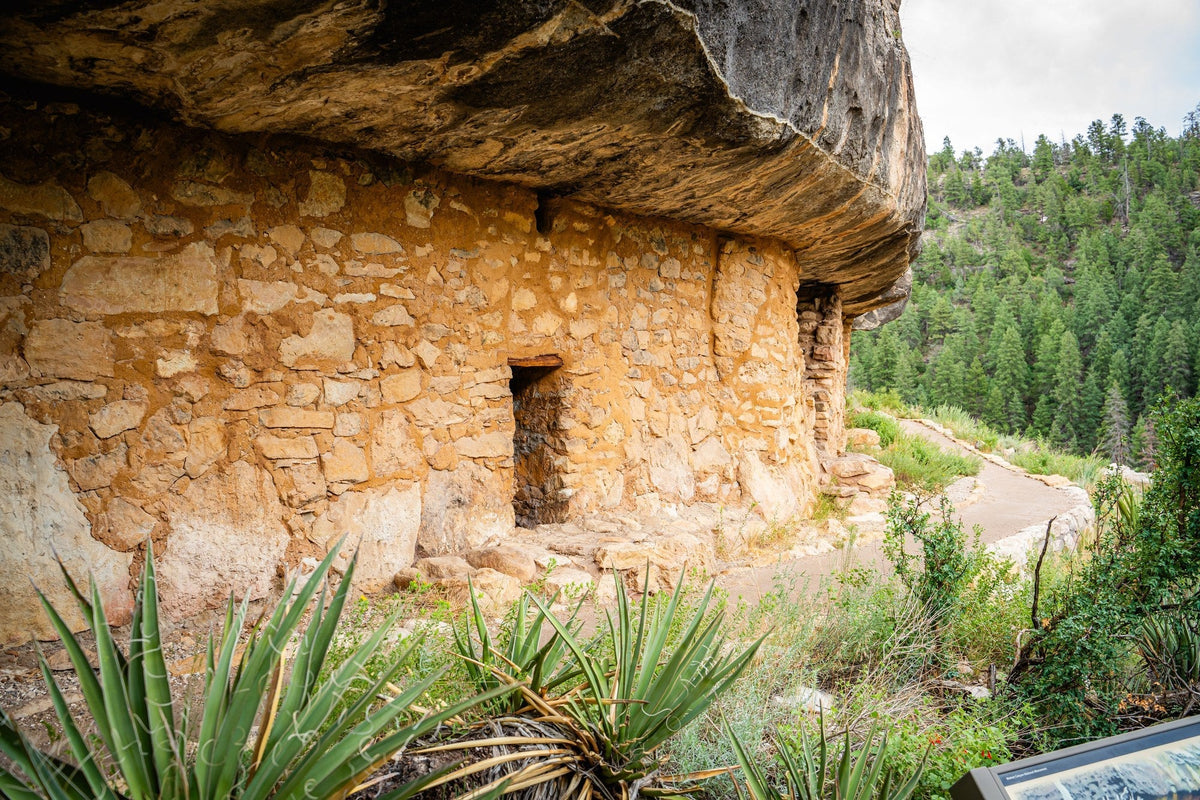
We walked the full Island Trail loop at Walnut Canyon, talked with a ranger about the cliff dwellings and definitely felt the climb back out.

We walked the whole Island Trail loop at Walnut Canyon, down among the cliff dwellings, and it was such a cool experience. Looking across the canyon and seeing more homes tucked into the walls really made me think about how many people had lived here and how long ago that was. It felt very different from just looking at the canyon from above.
The walk back up left us pretty winded. You drop down a good way to reach the dwellings, and you definitely feel that climb when it is time to leave.
Families farmed the canyon rims before many moved into limestone alcoves during the 1100s. Archaeologists use the term Sinagua for the culture associated with these homes.
Native communities retain enduring connections to the region. The Flagstaff-area monuments are traditionally associated with thirteen federally recognized tribes. The park’s history guide offers more context.

The Island Trail is roughly a one-mile round trip and is rated strenuous by NPS. It descends about 185 vertical feet into the canyon, with many stairs to climb on the return. The distance is short, but that does not make it an easy walk.
Bring water, wear shoes with reliable traction and check conditions before descending. The trail overview can help you decide whether it is a good fit.
The Island Trail passes 25 cliff dwelling rooms, with others visible across the canyon. The park's trail description gives a sense of why this is more than a viewpoint walk. You are following a route through part of a former community, not simply looking at a distant ruin.
The families who lived here grew corn, beans and squash on the rim. Reading about those daily activities helps connect the alcove homes with the wider landscape. The NPS account of the canyon's people also explains that the community moved on after about 150 years. Their history did not end when the dwellings were left behind.
Read the interpretive signs and stay within permitted areas. Never climb or lean on the dwelling walls.

We ran into a ranger along the trail who talked with us about the dwellings and how people lived here. That was one of my favorite parts of the visit. Having someone explain what we were looking at made the walk feel like much more than a chance to see old buildings.
The visitor center was really cool, too. I would make time for it and ask about ranger activities before heading down. What stayed with me was the scale of the community and the age of these homes, not just the view across the canyon.
For families, the Junior Ranger program is another way to give the visit a focus. The park also has a visitor-center viewpoint and picnic area, so the trip does not need to depend on everyone completing the Island Trail. Review the available activities and choose an outing your whole group can enjoy.
Leave objects where you find them and help protect the site for future visits.

You can enjoy canyon views without taking the Island Trail. The Rim Trail is a fairly level, 0.7-mile round trip with two overlooks. The first section to the first overlook is paved and accessible.
Ask staff about current conditions and choose the route that works for your group.

Check hours, fees and alerts. Trail-entry cutoffs are earlier than park closing.
Pets are not allowed on the Island Trail. Leashed pets are permitted on the Rim Trail and in the visitor center parking lot.

Walnut Canyon and Lava River Cave offer very different outings near Flagstaff. One focuses on ancestral homes and cultural history; the other is a self-guided underground trip that requires your own lights and equipment. I would plan them separately if either visit is a major priority, rather than treating the cave as a quick stop after climbing the Island Trail stairs.
If you are continuing toward Sedona, allow for that journey as well. Choose the day's main activity before adding another destination, especially when traveling with children or anyone who needs a less strenuous route.
A South Falls-focused day visit to Silver Falls State Park during our Allegiant-supported Oregon trip, with walk-behind waterfall views and practical planning notes.
Read the story
The cave opening and Oregon coastline.Our Oregon Coast stop included sea lions on the rocks, time inside the cave, coastal viewpoints and a few favorite...
Read the story
A photo-led look at Weavers Needle from Fremont Saddle, with a Peralta Trail hiking option, preparation advice, and practical desert photography tips.
Read the storySign up for new stories, photographs, and notes from the road.
Join the conversation